
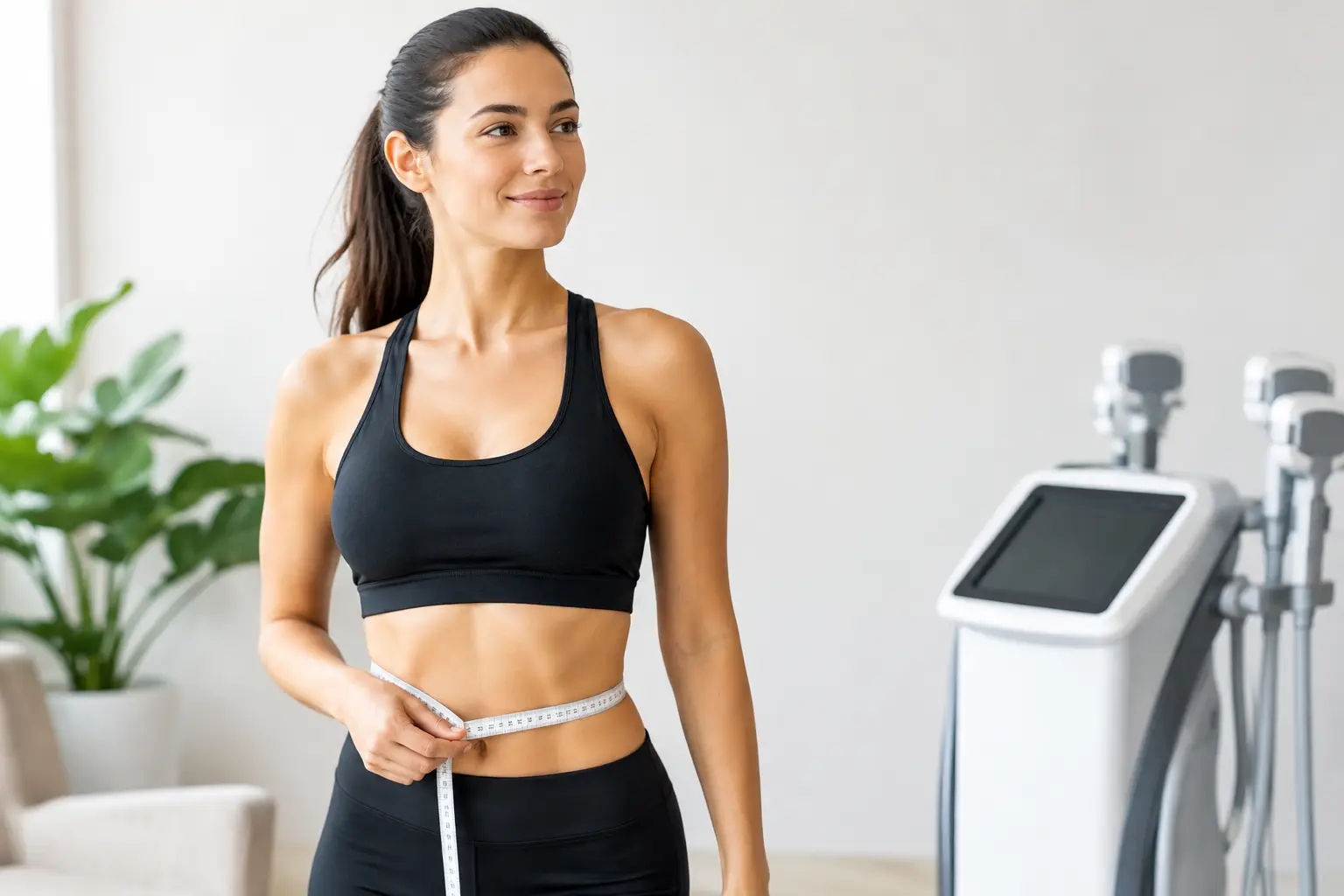
Stubborn fullness at the lower abdomen, flanks, thighs, or beneath the chin can persist even when you are exercising consistently and maintaining a healthy weight. Non surgical body contouring is designed for these moments: when you want a more refined shape without incisions, anesthesia, or the downtime associated with surgery. The right treatment can improve proportion and confidence, but it is not a substitute for weight loss or a one-size-fits-all solution.
What Non Surgical Body Contouring Can Treat
Non surgical body contouring refers to in-office treatments that reduce small, localized fat deposits, improve skin laxity, or address both concerns at once. Depending on the technology and treatment plan, these procedures may use controlled cooling, heat, radiofrequency energy, ultrasound, or other energy-based approaches to affect targeted tissue beneath the skin.
For many patients, body contouring is most helpful after weight loss, pregnancy, or lifestyle changes have brought them close to their desired weight but left a few resistant areas behind. Common treatment areas include the abdomen, love handles, upper arms, inner and outer thighs, back, bra-line area, and submental area beneath the chin.
It is equally important to understand what these treatments cannot do. They do not create the same degree of correction as liposuction or remove significant amounts of weight. They also cannot fully correct substantial loose skin or separated abdominal muscles. A thoughtful consultation helps distinguish between concerns that are likely to respond well to noninvasive treatment and those that may need a different approach.
Fat Reduction and Skin Tightening Are Different Goals
Patients often use the term “body contouring” to describe several concerns at once. Yet excess fat and loose skin require different strategies. Identifying the dominant concern is one of the most important parts of treatment planning.
When localized fat is the primary concern
Fat-reduction treatments are best suited to soft, pinchable areas of fullness that remain stable despite healthy habits. With cooling-based technology such as CoolSculpting, for example, targeted fat cells are exposed to controlled temperatures. The body gradually processes the treated cells over the following weeks and months. Heat- and ultrasound-based options may work differently, but the goal is similar: selectively reduce fat in a defined area while protecting the surrounding skin.
Results develop gradually rather than overnight. Some patients need more than one treatment session to achieve the level of refinement they want, particularly in larger areas or where fullness is more pronounced. A qualified provider should discuss what degree of reduction is realistic before treatment begins.
When skin laxity is the primary concern
Skin may lose elasticity with age, sun exposure, pregnancy, weight changes, and genetics. Skin-tightening technologies typically deliver controlled energy into the skin and underlying tissue to encourage collagen remodeling. The effect is usually subtle to moderate and appears progressively as collagen renews.
This can be an excellent option for patients who notice mild crepiness or looseness around the abdomen, arms, knees, or thighs. However, if skin hangs significantly or has lost substantial structural support after major weight loss, an energy-based treatment may offer improvement without fully replacing the results of surgery.
When both are present
Many patients have a combination of localized fat and laxity. Treating fat alone can sometimes make loose skin more noticeable, while tightening skin alone will not remove a meaningful fat pocket. Combining or staging treatments may offer a more balanced result. Your plan should account for your anatomy, skin quality, timeline, and comfort with downtime.
Who Is a Good Candidate?
The strongest candidates are generally adults who are near a stable, healthy weight and want to address specific areas that do not respond as they would like to nutrition and exercise. They tend to have realistic expectations and understand that a gradual, natural-looking change is the goal.
A consultation should also consider your health history, medications, prior procedures, and the condition of your skin. Certain technologies may not be appropriate for people with particular medical conditions, implanted devices, hernias, active skin irritation, or cold-related disorders. Pregnancy and breastfeeding can also affect the timing of elective aesthetic treatments.
For patients on a physician-supervised weight-management journey, timing matters. It is often wise to wait until weight has stabilized before investing in contouring treatments. This allows your provider to assess the shape and skin laxity that remain after weight changes and recommend care that aligns with your longer-term goals.
What a Personalized Treatment Plan Should Include
Effective body contouring begins well before the device is placed on the skin. An experienced dermatology team will examine the area from several angles, assess the thickness and distribution of fat, evaluate skin elasticity, and ask what specifically you would like to change. Photos may be taken to establish a baseline and help measure gradual progress.
The conversation should be candid. If a treatment is likely to create only a modest improvement, you should know that. If your goals are better served by a surgical consultation, that recommendation should be made without pressure. And if a series of sessions, a combination of fat reduction and skin tightening, or maintenance through weight stability will improve your outcome, those details should be clear from the beginning.
At McLean & Potomac Dermatology and Skincare Center, body concerns can be evaluated in the context of your overall skin health, aesthetic goals, and, when appropriate, your weight-management care. That continuity is valuable because the best treatment plan is rarely based on a device alone.
What Treatment and Recovery Feel Like
Most noninvasive contouring appointments are performed in the office, and many patients return to normal routines the same day. Sensations vary by technology. Cooling treatments can cause initial cold, pressure, pulling, or temporary numbness. Heat-based treatments may feel warm or intense in short intervals, while skin-tightening treatments can create a warming sensation and mild tenderness afterward.
Temporary redness, swelling, bruising, sensitivity, or numbness can occur. These effects are usually limited, but they should not be minimized. Your provider should explain expected recovery, less common risks, and the specific signs that warrant a call to the office.
Before treatment, avoid scheduling around an event where you want to guarantee that you will have no visible swelling or bruising. Although downtime is generally limited, every body responds differently. Choosing a provider with advanced technology and appropriate medical oversight adds an important layer of safety when selecting an elective procedure.
How Long Do Results Last?
Once fat cells are reduced, they do not regenerate. Remaining fat cells can still enlarge with weight gain, however, which means long-term results depend on maintaining a relatively stable weight. Body contouring works best as part of a sustainable wellness plan, not as a reset after repeated cycles of weight change.
Skin-tightening results also require perspective. Collagen remodeling takes time, and natural aging continues. Healthy habits, sun protection for exposed areas, and an individualized maintenance plan can help support the quality of your skin over time.
Questions Worth Asking Before You Commit
A consultation is your opportunity to look beyond before-and-after photos. Ask which concern is being treated – fat, skin laxity, or both – and why that technology is recommended for your anatomy. Ask how many sessions may be needed, when you can reasonably assess results, and what the total investment includes.
You should also ask who will perform the treatment, what training and credentials they have, and how complications are handled. A polished treatment room is not a substitute for medical judgment. Board-certified dermatology expertise can be especially meaningful when a treatment plan intersects with skin health, changes after weight loss, or an underlying medical condition.
The most satisfying contouring results are not about chasing a different body. They are about making a considered change that feels proportionate, safe, and true to how you want to feel in your own skin.