
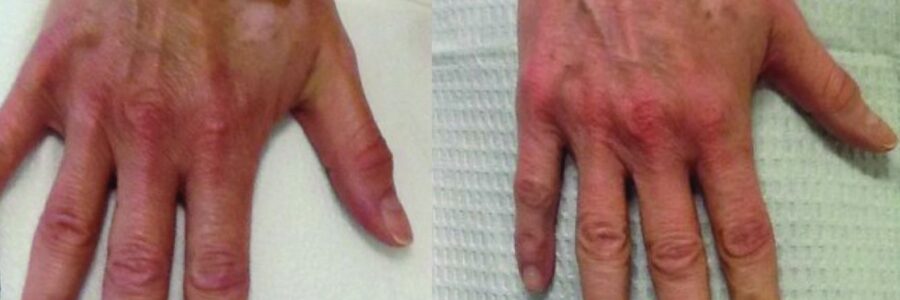
Hypopigmentation or depigmentation is notoriously difficult to treat. The loss of melanin often results from various causes, such as acne scars, burn scars, vitiligo, chemical treatments, or cryotherapy. This condition can be frustrating for patients. It disrupts the skin’s natural tone and texture. To date, no single treatment has gained universal acceptance for restoring pigmentation to the skin. However, in our clinic, we have seen promising results. We us microneedling and subcision, which help stimulate skin pigmentation in localized hypo- or depigmented areas.
Treatments Options
Subcision and microneedling are both forms of collagen induction therapy. These procedures are widely used for a variety of cosmetic issues, including fine lines, acne scars, stretch marks, enlarged pores, and photoaging. Both techniques rely on the principle of creating controlled injury to the skin to promote healing and regeneration. Microneedling uses sterile needles, typically between 0.1 and 2.5 mm in length, to create tiny punctures in the stratum corneum and dermis. These microscopic “holes” trigger the release of growth factors, which stimulate the production of collagen, elastin, and new blood vessels in the dermis.
Similarly, subcision involves repeated trauma to the dermis and subcutis. This technique uses a needle to break up fibrous tissue beneath the skin’s surface, stimulating collagen remodeling and enhancing skin texture. Both procedures help improve the appearance of areas where collagen production has been altered, leading to smoother, firmer skin.
How we treat it
In our practice, we have treated patients suffering from hypopigmentation caused by a variety of factors. A typical treatment regimen includes five sessions of microneedling or subcision, spaced out over several weeks. Patients have reported rapid repigmentation of skin, often with minimal or no side effects. This success is due to the regenerative effects of the procedures. When trauma is induced to the skin, the body’s natural healing processes kick in. These processes include the release of cytokines, which stimulate neoangiogenesis (formation of new blood vessels), neocollagenesis (new collagen production), and the deposition of hemosiderin from dermal bleeding. These factors work together to activate melanocytes and promote the repigmentation of the skin.
Both microneedling and subcision are safe, effective in-office procedures with a broad range of applications. The beauty of these treatments lies in their versatility and minimal downtime. For patients with depigmented or hypopigmented skin, these procedures offer a non-invasive solution that yields long-lasting results. Because the results are permanent, patients no longer need to rely on temporary solutions like makeup or topical treatments to conceal the loss of pigmentation. As an added bonus, these treatments also offer other benefits, such as improved skin texture and reduced appearance of scars.
Ultimately, microneedling and subcision are excellent options for treating hypopigmentation. They provide patients with the opportunity to restore their natural skin tone while simultaneously improving skin texture and elasticity. With minimal risk and significant rewards, these procedures have become a valuable tool in addressing a variety of skin concerns, including pigmentation issues.