
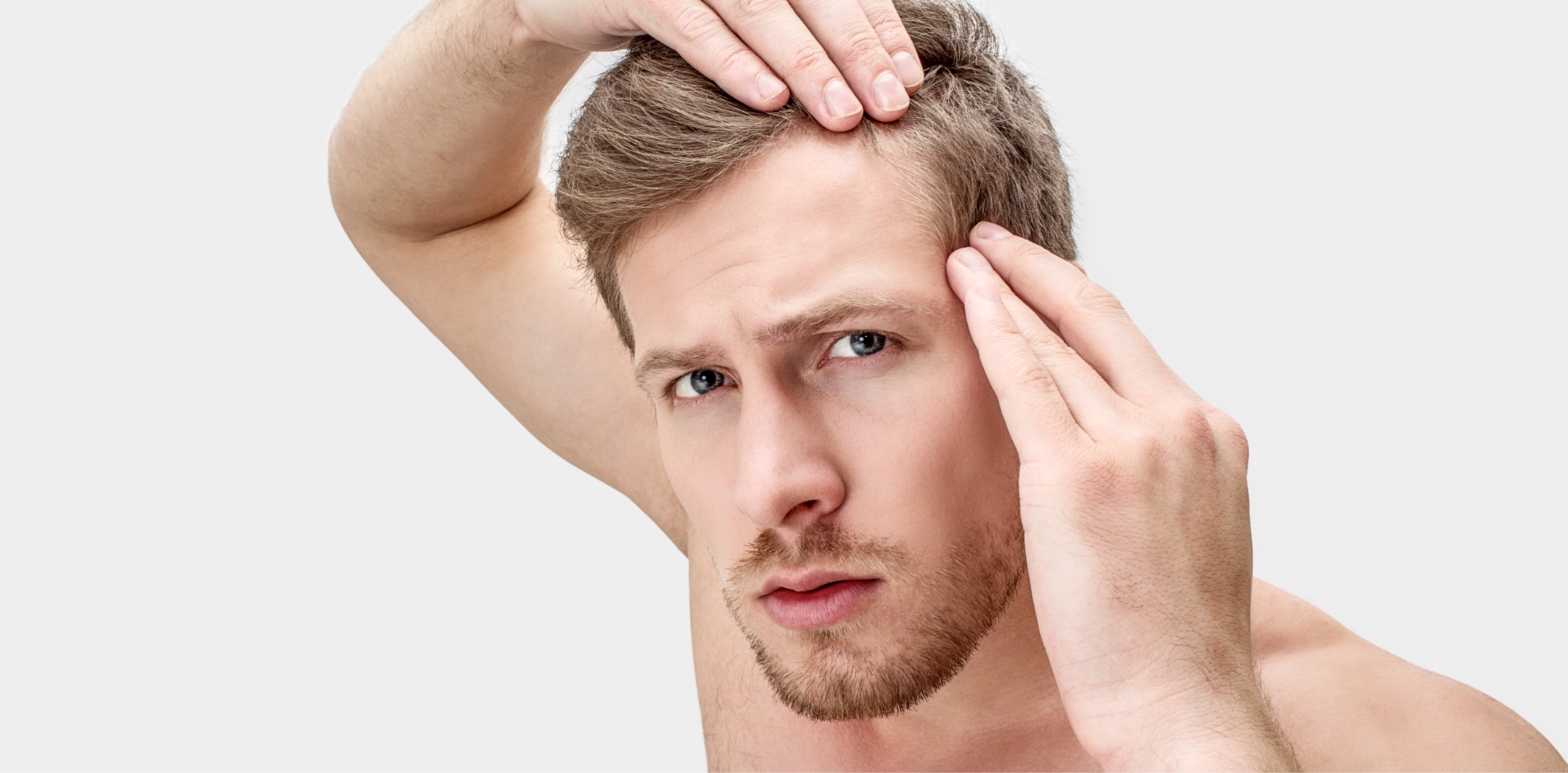
Hair loss can be a frustrating and complicated issue to deal with. There are a variety of different types of hair loss. Causes of hair loss can range from stress and genetics to underlying issues within the body. Treatments for hair loss are specific to the type of hair loss you are experiencing and can range from a simple supplement regimen to oral medications. Blood work is sometimes performed in an attempt to target the underlying cause of hair loss too. If you struggle with this issue, our team of hair loss experts can identify its source and help you maintain the health of your hair.
Androgenetic Alopecia (Genetic Hair Loss)
Androgenetic alopecia is also known as male and female pattern baldness or hereditary hair loss. Everyone loses hair. It is normal to lose about 50-100 hairs every day. However, if you see bald patches or lots of thinning, you may be experiencing alopecia. The most common type of alopecia is a medical condition called hereditary hair loss. About 80 million men and women in the United States have this type of hair loss.
There are many reasons why people experience hair loss. However, if hair loss is gradual and becomes more noticeable with each passing year, it is likely hereditary hair loss.
Hair Loss Treatments for Androgenetic Alopecia
While medications like minoxidil are frequently used to prevent hair thinning, they aren’t always effective. Propecia is an effective alternative that can address signs of male pattern hair loss. This prescription medication can be incorporated into your daily routine to help maintain the strength of your hair and stop bald spots in their tracks. Contact our team here at McLean or Potomac to learn more about this treatment.
Propecia is FDA-approved as a hair loss treatment in men only. If you’re a man experiencing crown thinning or baldness, this treatment may be right for you. This medication can, and sometimes should, be used along with other hair loss treatments. These include shampoos, topical medications, and some oral medications. This drug should not be used by pregnant women.

Alopecia Areata
Alopecia areata is an autoimmune disease. Autoimmune means that the body’s immune system attacks the body. Alopecia occurs when the immune system attacks hair follicles (structures that contain the roots of the hair). A person’s genetic makeup, combined with other factors, triggers this form of hair loss. It can occur at any age; it often begins in childhood. Alopecia is not contagious. It is not due to nerves. This disease most often occurs in otherwise healthy people.
Hair Loss Treatments for Alopecia Areata
There is no cure for alopecia areata. Hair often re-grows on its own. Treatment, however, can help the hair re-grow more quickly. One or more treatments help the hair re-grow more quickly. Treatments include the use of corticosteroids, which suppress the immune system, Minoxidil, which allows hair to re-grow, Anthralin, which alters the skin’s immune function, and Diphencyprone (CPCP), which causes a small allergic reaction to trick the immune system.
Telogen Effluvium
Telogen effluvium is a form of nonscarring (temporary) hair loss characterized by diffused hair shedding. This type of hair loss often occurs noticed suddenly after an individual has experienced stress. Physical stress, or illness, can cause this type of hair loss, as can emotional stress.
Telogen Effluvium Treatment
No treatment is needed. Generally, recovery is spontaneous and occurs within six months. Remember that the hairs fall out when a new hair growing beneath it pushes it out. Thus with this type of hair loss, hair falling out is a sign of hair regrowth. As the new hair first comes up through the scalp and pushes out the dead hair, a fine fringe of new hair is often evident along the forehead hairline. To help hair regrowth, the following supplements are recommended:
- Daily prenatal vitamin (for women) with DHA and EPA daily.
- Viviscal Professional (2 capsules per day).
- Biotin once daily (5,000mcg per day).
Lichen Planopilaris (LPP)
Lichen planopilaris, or scarring alopecia, is a rare inflammatory condition that results in progressive, permanent hair loss. This occurs most often on the scalp. LPP usually affects young adult women, although the age range is wide and can also affect men. Although LPP is rare, it is one of the most common causes of scarring hair loss on the scalp. The cause of LPP is unknown.
Lichen Planopilaris (LPP) Hair Loss Treatments
The goals of treatment are to improve patient symptoms and to slow the progression of the disease. There is no current treatment to recover hairs that have been lost and replaced by scarring, which is why early treatment is important. Hair loss may continue even with treatment but at a slower rate.
- Topical and intralesional steroids.
- Oral medications (glucocorticoids, hydroxychloroquine).
Traction Alopecia
Traction alopecia is hair loss due to tight pulling on the hair, such as from frequently wearing your hair in a tight ponytail or braid. It is very common in African American women and in those who wear hair weaves.
Hair Loss Treatments for Traction Alopecia
Unfortunately, once the hair is lost, there is no treatment to regrow it. To prevent further loss, you should not wear your hair in a tight hairstyle. Instead, you should wear your hair naturally, in loose braids, or a loose ponytail. It is also important to change your hairstyle frequently so as not to cause hair loss in one particular area. Do not wear a hair weave to cover the hair loss, as this can actually worsen hair loss.
Scarring Alopecia
Scarring alopecia is hair loss due to the destruction of hair follicles caused by inflammation or trauma, such as a serious infection or a burn. This inflammatory condition causes scarring and permanent hair loss. Scarring alopecia affects both women and women but is rare in children.
Hair Loss Treatments for Scarring Alopecia
The treatment depends on the type of cells that are causing the inflammation in your body. Request a consultation with the hair loss experts at McLean & Potomac Dermatology to find the best treatment option for you.
In-Office Hair Loss Treatments
These work on the follicle and the tissue around it rather than on the surface of the scalp. They are used most often for pattern hair loss and as support during recovery from other forms, and they are generally combined with medical treatment rather than substituted for it.
Scalp microneedling for hair growth
Microneedling the scalp is the foundation of most of what follows. A fine needling device creates controlled microchannels that stimulate circulation and the body’s own repair response, and that briefly open a path for whatever we apply next to reach the follicles directly. It is performed with topical anesthetic and tolerated comfortably by most patients. What we apply afterward is the part we tailor to you.
PRP for hair loss (platelet-rich plasma)
PRP begins with a small sample drawn in our office and spun to concentrate your own platelets and the growth factors they carry. Returned to the scalp, those growth factors support the follicles directly. PRP is the most established of the regenerative options for hair, the most thoroughly studied, and the one we perform most often. It is used in a series, with change emerging gradually over the months that follow.
PRF for hair loss (platelet-rich fibrin)
PRF is prepared from the same sample at a slower spin and without additives, which preserves a natural fibrin that holds the growth factors and releases them over several days rather than all at once. Some patients prefer that extended release, and some prefer the spacing it allows between visits. PRF and PRP are siblings rather than competitors, and many patients use both over time.
Xvie XO for hair loss
Xvie XO is a prepared concentrate of growth factors, peptides and naturally occurring hyaluronic acid, applied after scalp microneedling to support the follicles and the scalp that sustains them. Because no sample is drawn, it suits patients who would rather avoid that, and it can be used in addition to platelet therapy rather than instead of it.
What a plan looks like
Hair restoration works best as a plan rather than a procedure. Most plans pair in-office treatment with medication, correction of any deficiency we find, and reassessment at intervals, and the plan is adjusted as your scalp responds.
Each in-office visit begins with numbing, followed by microneedling of the scalp and application of whichever concentrate your plan calls for. When PRP or PRF is used, a small sample is drawn at the start of the visit and prepared while you are numbed. Most visits take roughly an hour, and your scalp may look flushed for a day. These treatments are performed in a series, and hair keeps its own schedule, so any change emerges over the months that follow rather than within weeks.
Frequently Asked Questions
What is the difference between hereditary hair loss and an autoimmune condition like alopecia areata?
Hereditary hair loss, androgenetic alopecia, causes gradual, permanent thinning due to genetics and aging. In contrast, alopecia areata is an autoimmune disease where the immune system mistakenly attacks hair follicles, causing sudden, patchy hair loss. Hereditary hair loss and alopecia areata are treated differently. While hereditary hair loss is often permanent, episodes of alopecia areata may come and go.
Can hair naturally grow back after experiencing sudden shedding from stress or illness?
Yes. Sudden shedding after physical or emotional stress is typically telogen effluvium, a temporary condition. It generally resolves on its own without medical intervention. In fact, hair falling out is a sign of new growth pushing out dead strands, which can be supported with specific daily supplements.
Why is early intervention critical for conditions like traction or scarring alopecia?
Early treatment is vital because conditions that cause inflammation or physical trauma can permanently destroy hair follicles, replacing them with scar tissue. Once a follicle scars over, the hair cannot regrow. Prompt medical care focuses on stopping progression to save your remaining hair.
Does microneedling help hair growth?
Microneedling stimulates circulation and the scalp’s own repair response, and it allows a topical to reach the follicles far more effectively than application alone. In our practice it is used as the delivery step for PRP, PRF or Xvie.
How much does PRP for hair loss cost?
PRP for hair loss is performed in a series and the number of treatments depends on your pattern of loss. We quote pricing at your consultation once we know what your plan involves. Call (703) 356-5111 and our team can give you current pricing.
Does PRP for hair loss actually work?
There is strong evidence of PRP’s impact on hair loss, and it works best on follicles that are still active rather than those dormant for years. It is not a cure and it does not suit every cause of hair loss, which is why we recommend it only after an evaluation.
Should I choose PRP or PRF for hair?
Both are made from you and both are excellent. PRP delivers its growth factors at once and is the longer established and more accessible of the two. PRF releases them gradually over several days. We will recommend the one that suits your pattern of loss and how you would prefer treatments spaced.
Are there hair loss treatments for women?
Yes, and women make up a large share of the patients we treat. Female pattern hair loss responds well to a combined plan of medication and in-office treatment, particularly when it begins before the follicles have been dormant for years.
How long before I see a difference?
Hair grows slowly, and change emerges over the months following a series rather than within weeks. We would rather tell you that plainly than suggest something sooner.
Is treatment painful?
Topical anesthetic can be applied before microneedling, and most patients find scalp treatment comfortable.
Does insurance cover hair loss treatment?
A medical evaluation of hair loss is generally billed to insurance, as are the medications that may follow. Elective in-office treatments, such as PRP, PRF, and Xvie are not. Our team will explain what applies to your situation before you are treated.
Will I need to keep having treatments?
Hair restoration is maintained rather than completed. After an initial series, most patients continue at longer intervals, and we will recommend a schedule based on how your body responds.
Do you treat children and teenagers?
Yes. Alopecia areata can begin in childhood, and we see pediatric patients at both locations.
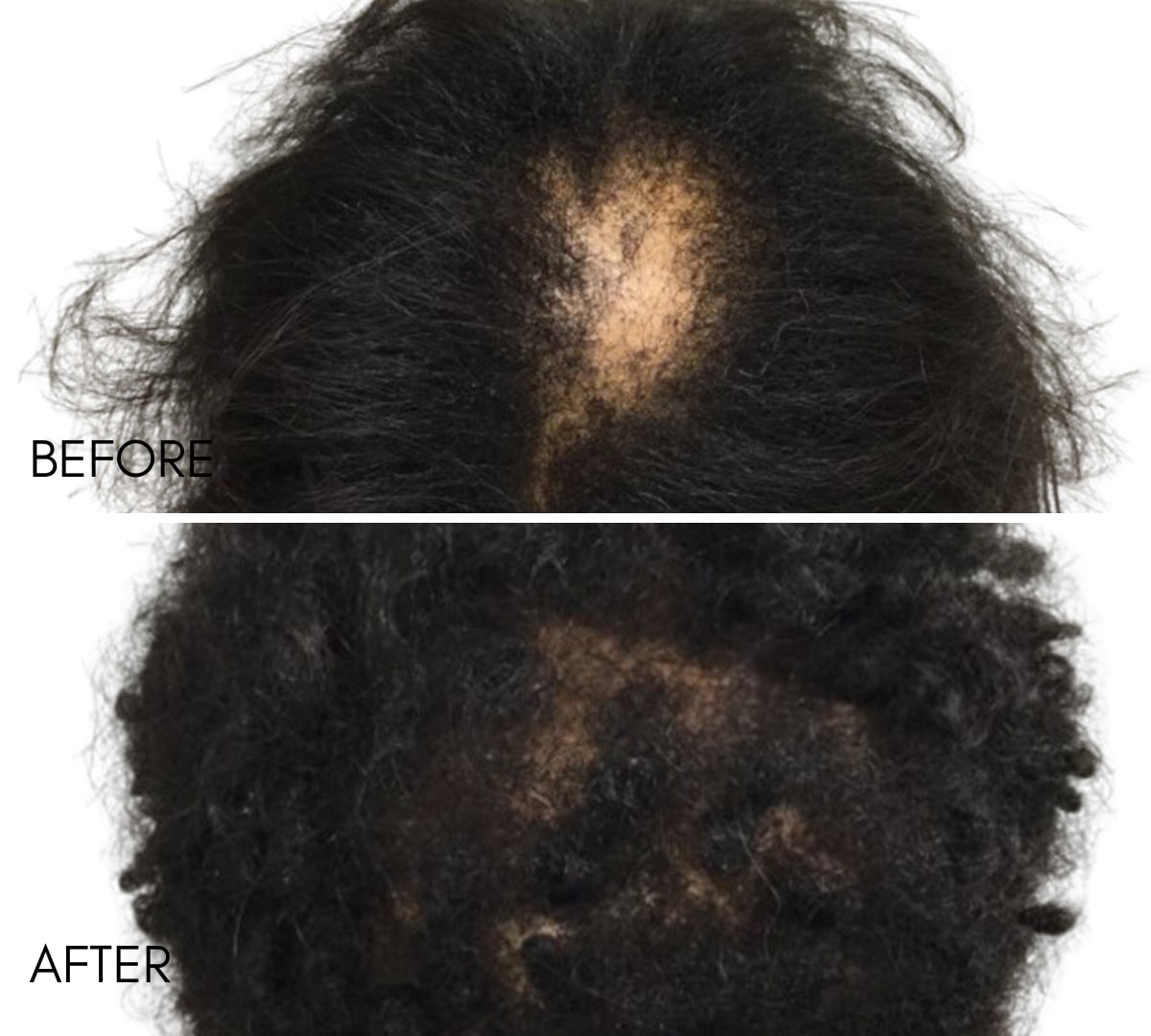
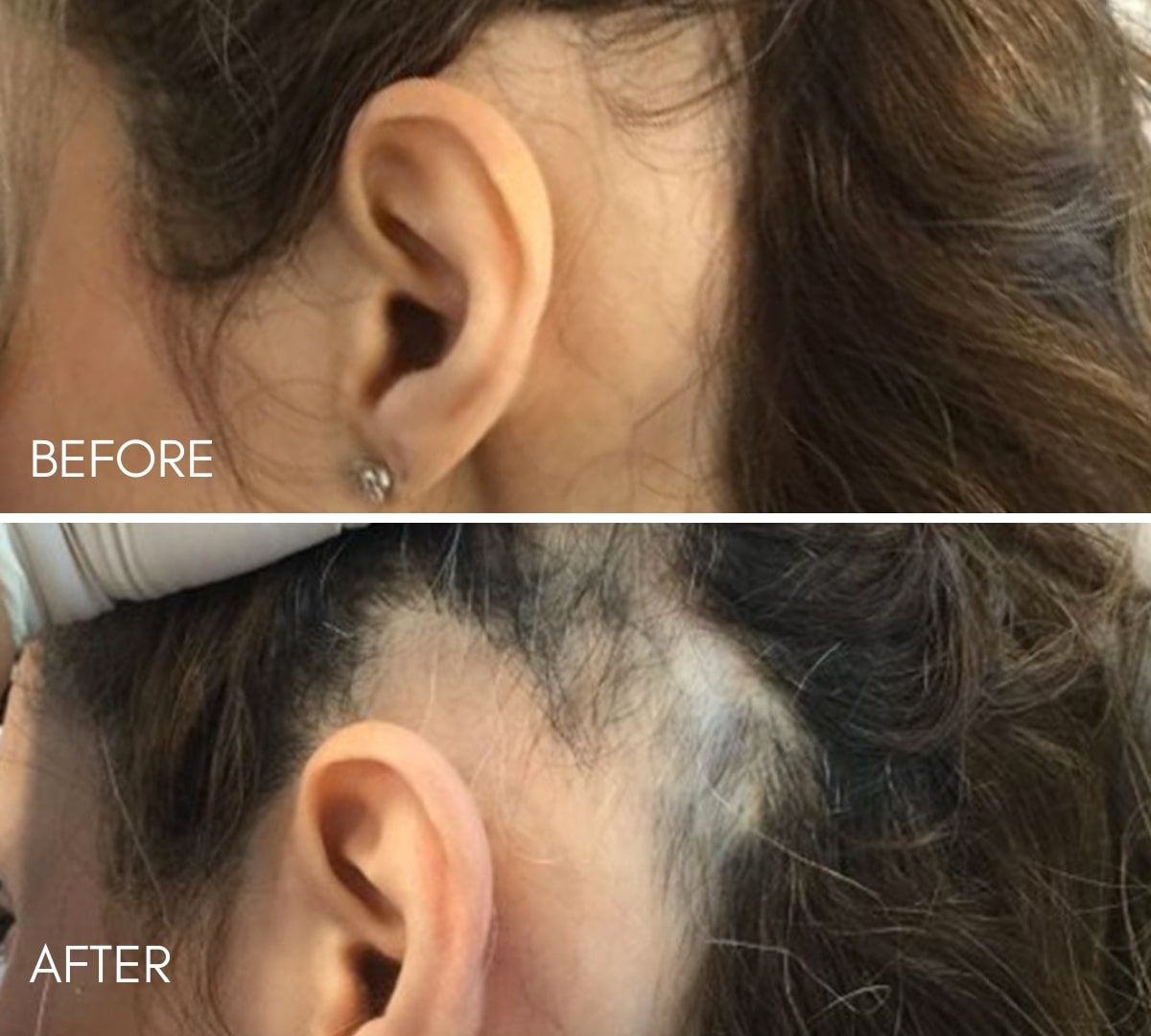
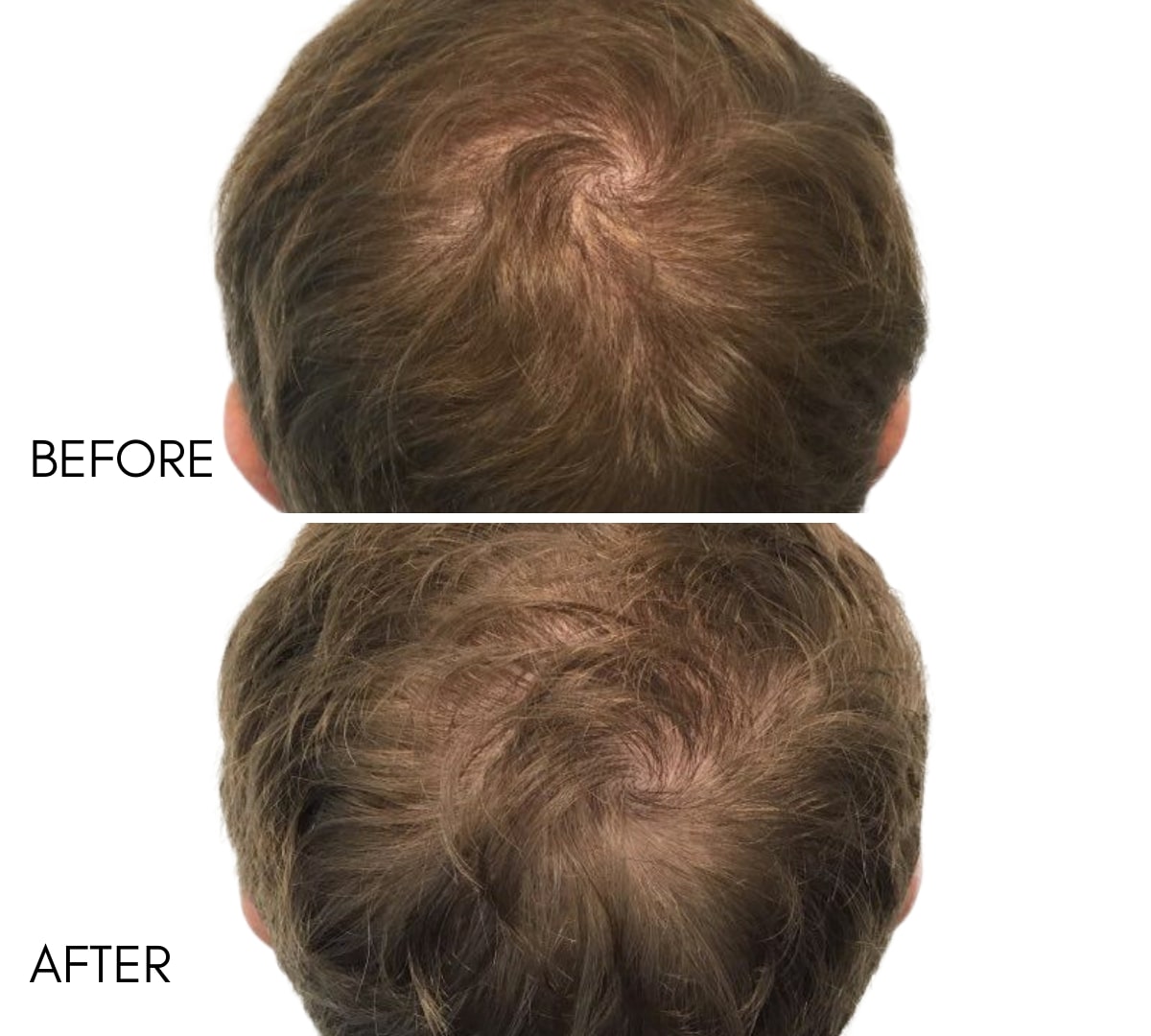
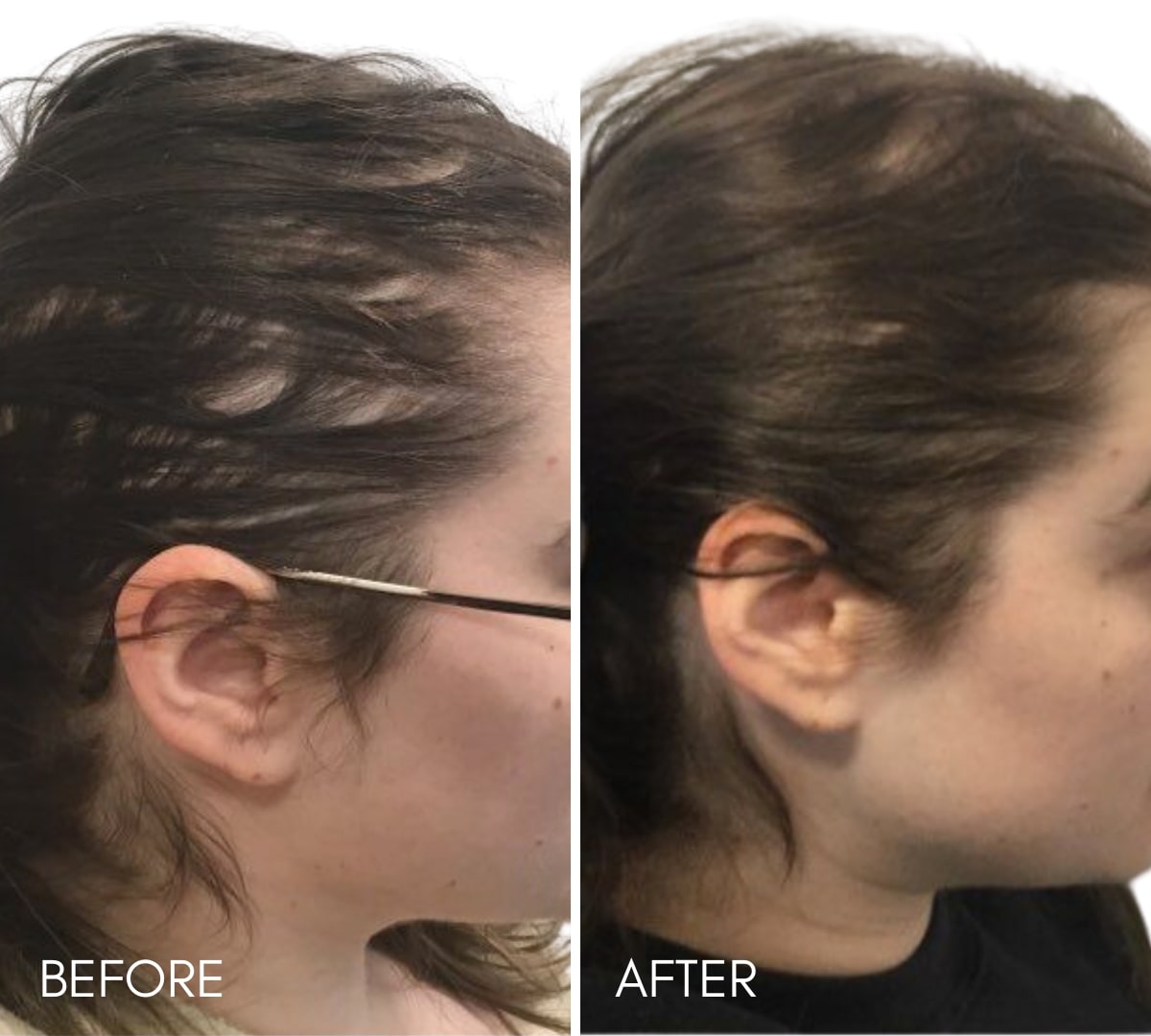
Before and After Photos
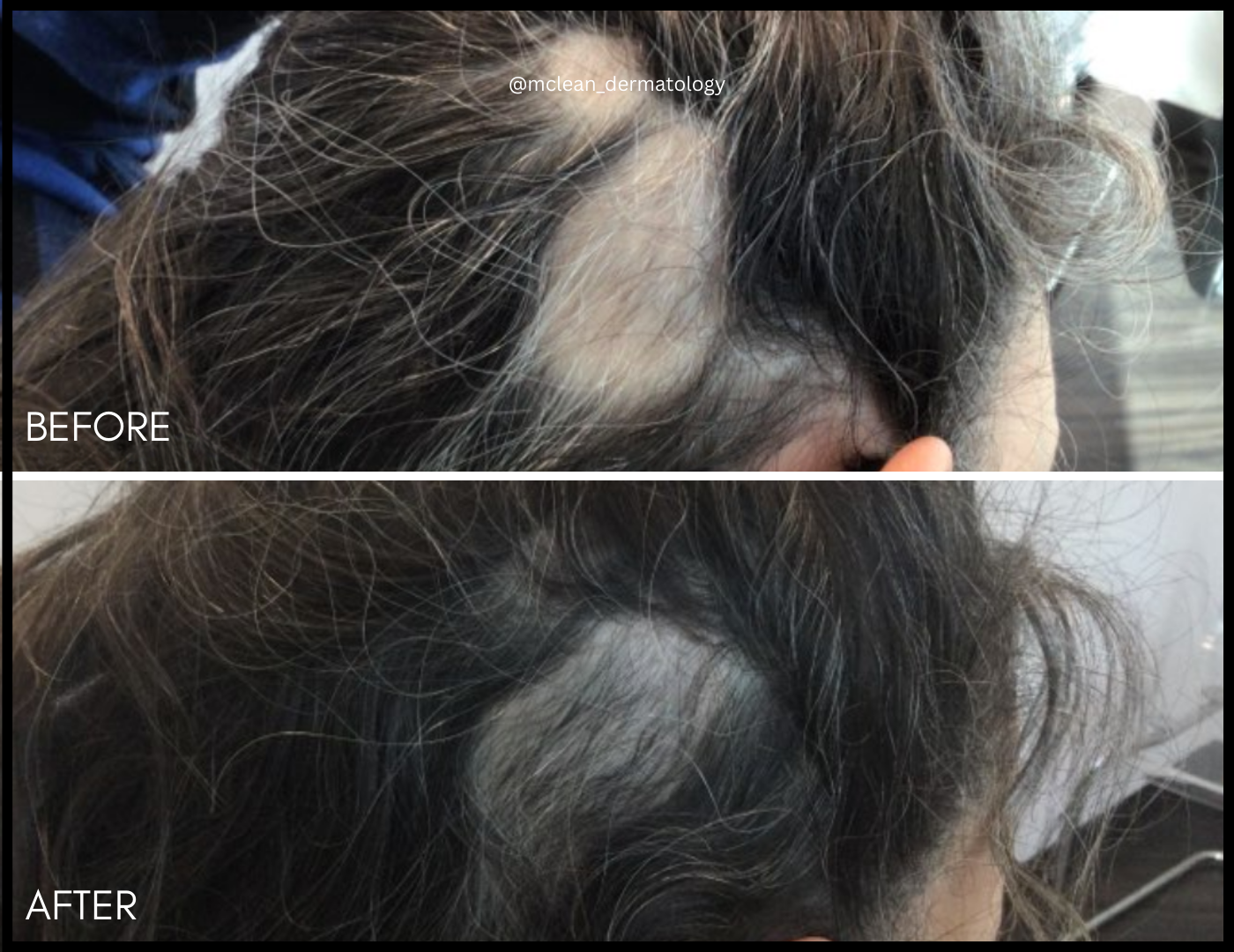
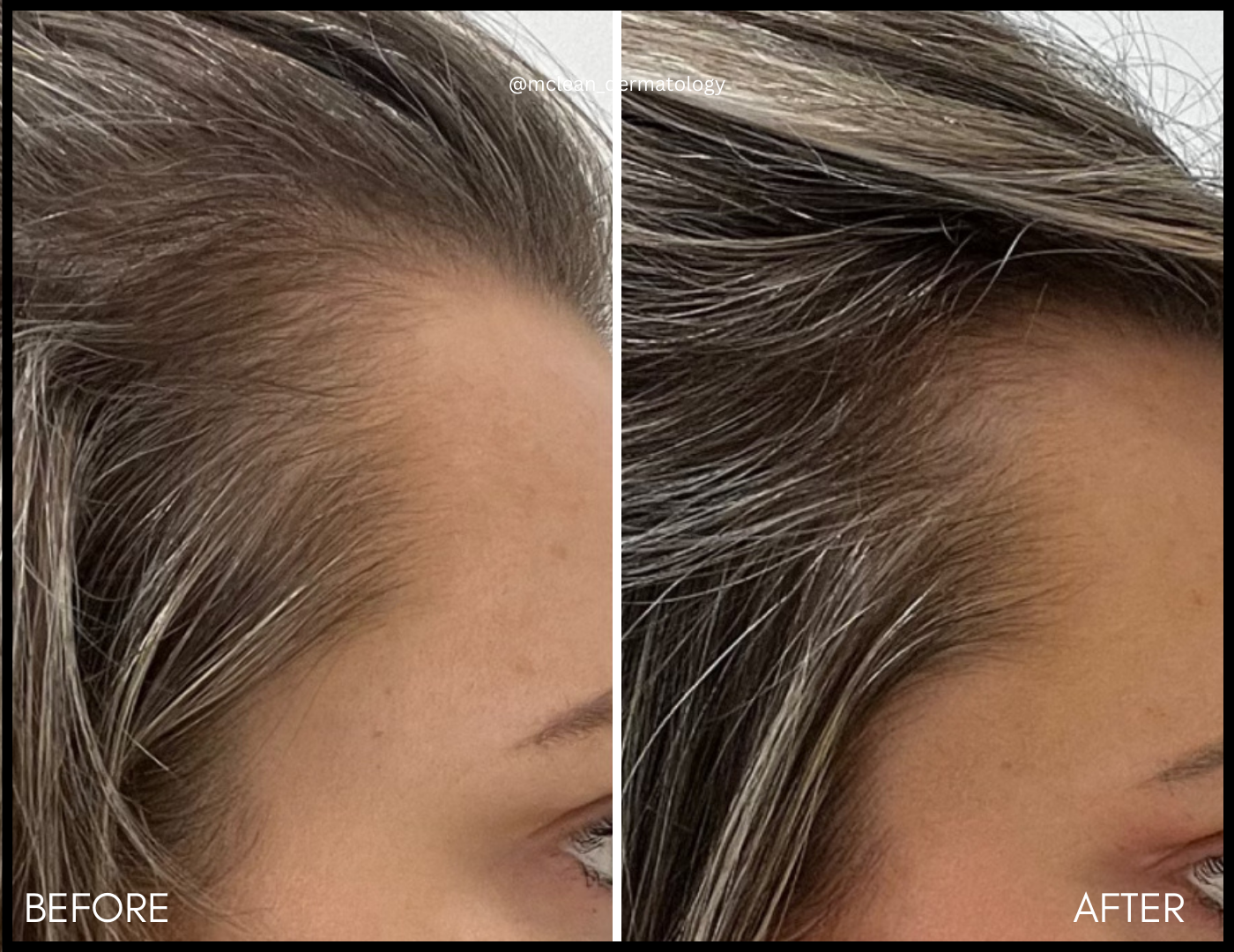
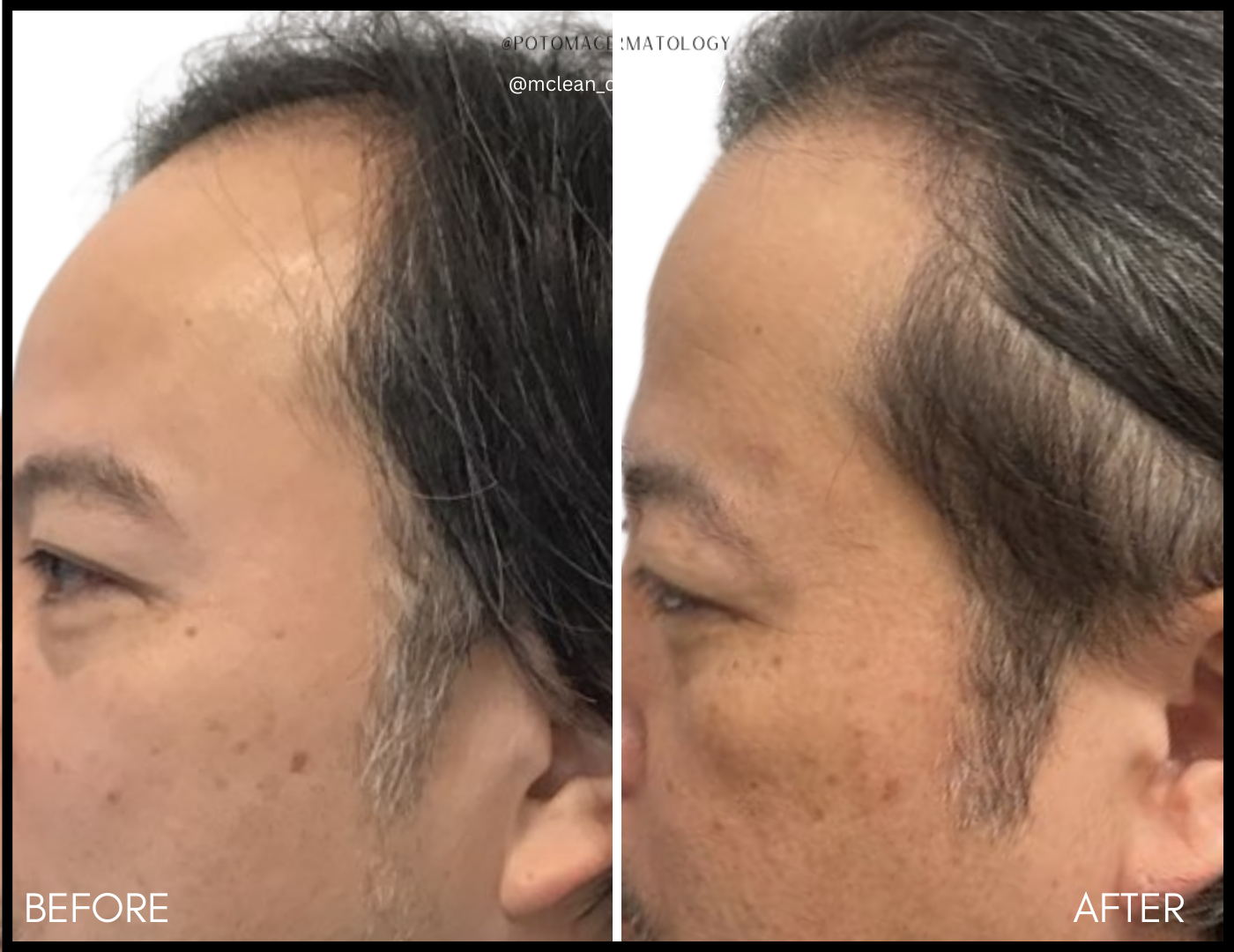
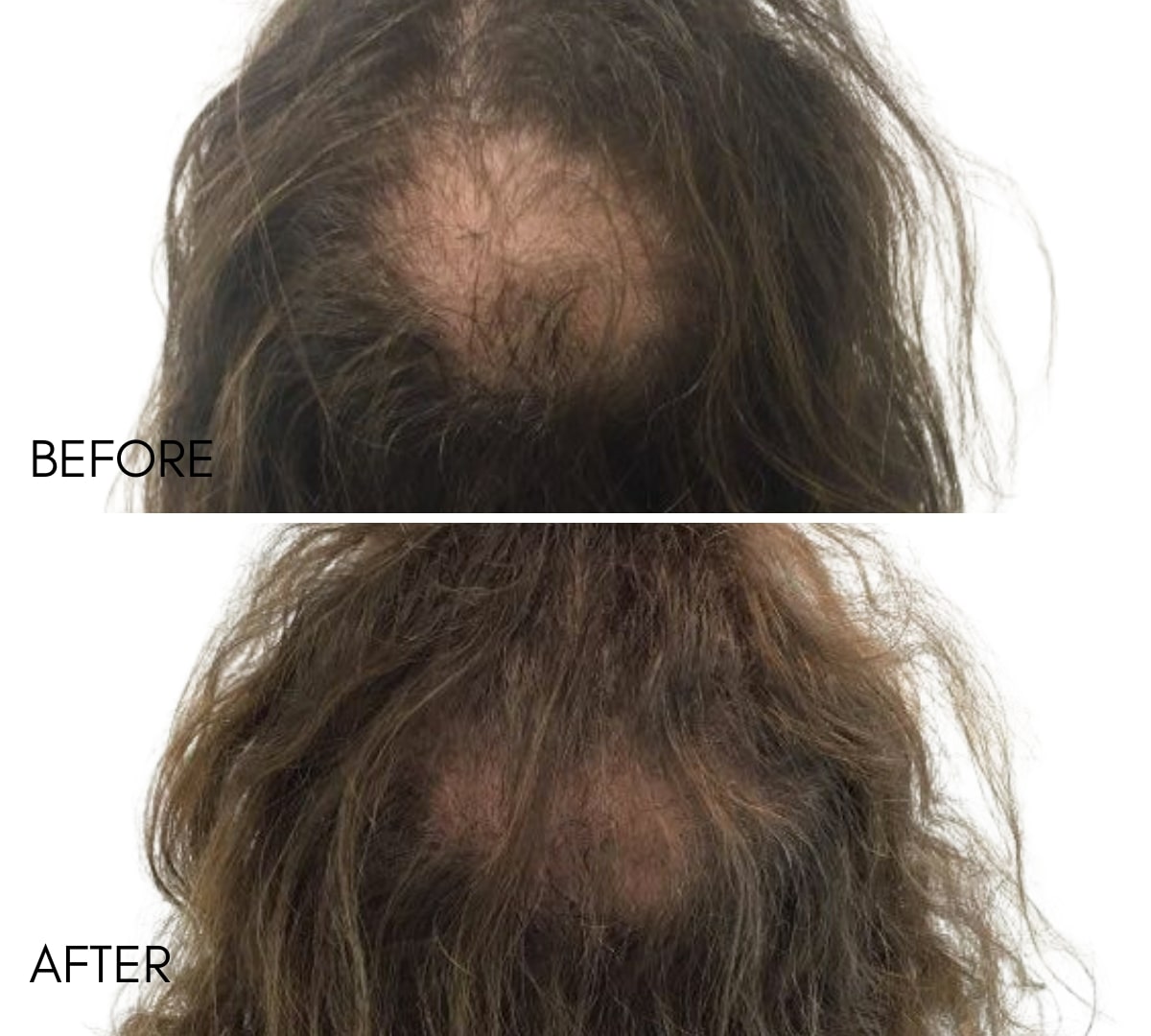
Schedule Hair Loss Treatments in McLean, VA, or Potomac, MD
Regardless of the cause of your hair loss, our team of hair loss experts can help. We offer several treatment options to help you retain your mane for as long as possible. Give your scalp the best treatment today by connecting with one of our locations and scheduling your appointment.
Set up your consultation by giving us a call at (703) 356-5111.