
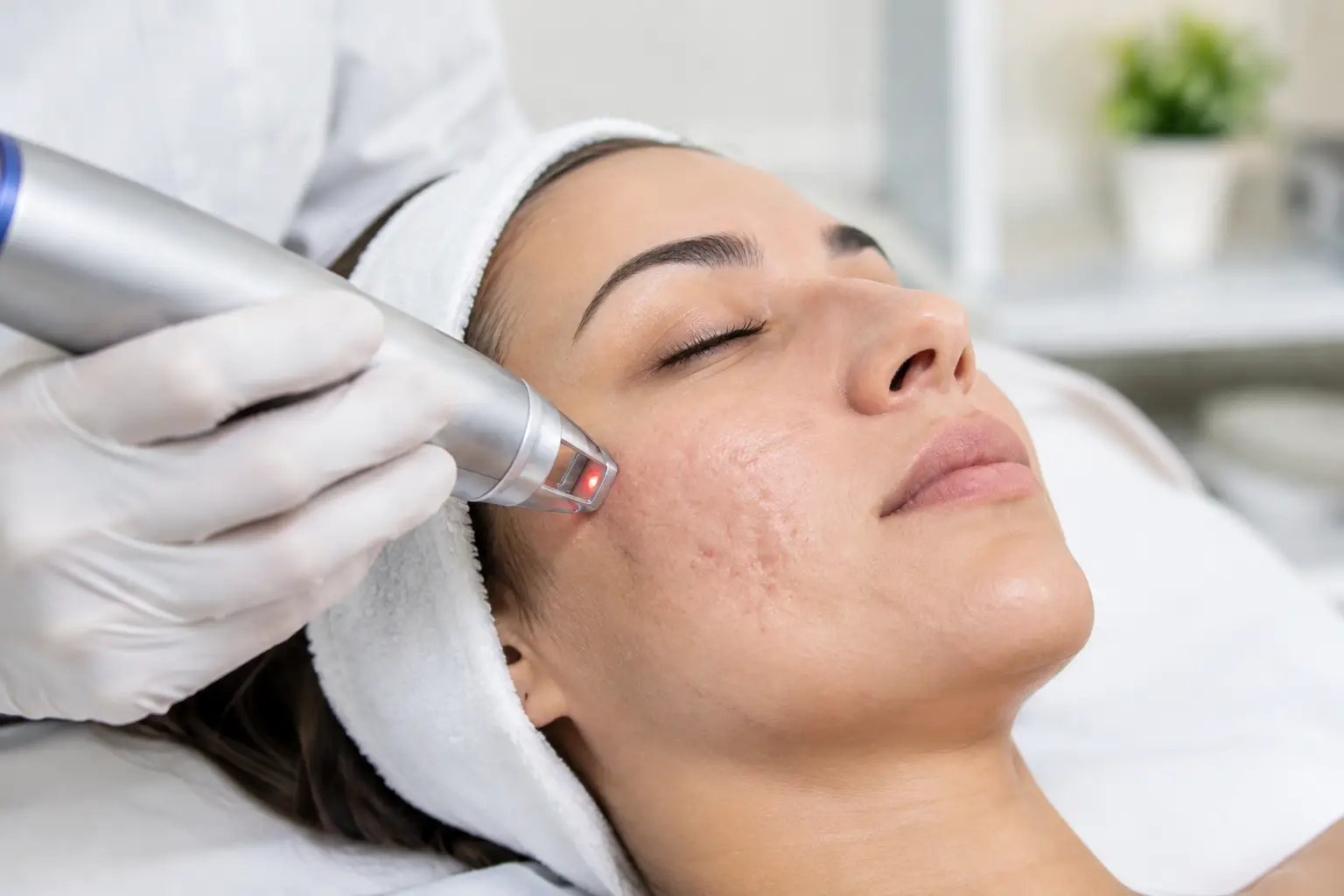
Acne may be temporary, but the marks it leaves behind can feel far more lasting. For patients who are ready to address uneven texture, depressed scars, lingering redness, or discoloration, laser treatment for acne scars can be a meaningful next step. The right approach is never one-size-fits-all. Your scar type, skin tone, acne history, lifestyle, and tolerance for downtime all shape the treatment plan.
At McLean & Potomac Dermatology and Skincare Center, laser care begins with a close look at the skin itself, not simply the scar. That distinction matters. A refined treatment plan may combine laser resurfacing with medical acne care, microneedling, chemical peels, subcision, injectable treatment, or a tailored skincare regimen to help create smoother, more even-looking skin over time.
What laser treatment can improve
Acne scars are not all the same, and lasers do not treat every type in the same way. Some scars are indented, while others are raised. Some are primarily textural; others are flat marks of red, brown, or purple discoloration left after a breakout has healed.
Fractional laser resurfacing is often used for depressed acne scars, including rolling scars and certain boxcar scars. It creates controlled microscopic treatment zones in the skin, prompting collagen remodeling as the area heals. Because collagen changes gradually, improvement develops over a series of weeks and months rather than appearing overnight.
Lasers may also help address post-acne redness and excess pigment. In these cases, the goal is different: targeting visible blood vessels or pigment rather than rebuilding the skin’s underlying structure. A dermatologist may recommend a different device, wavelength, or energy setting based on the color and depth of the concern.
Deep, narrow ice-pick scars can be more resistant to laser resurfacing alone. For these scars, a focused procedure such as chemical reconstruction or another targeted technique may be a better first step. Raised scars require a different strategy altogether, often involving injections or other scar-modulating treatments. The most successful results come from matching the treatment to the scar, rather than relying on a single device for every concern.
How laser treatment for acne scars works
Resurfacing lasers use carefully controlled energy to stimulate the skin’s natural repair process. Ablative lasers remove very thin columns or layers of skin tissue and generally deliver more dramatic resurfacing, with more recovery time. Non-ablative fractional lasers heat targeted areas beneath the skin’s surface while leaving more of the surface intact, typically offering a gentler recovery with more gradual results.
Neither option is automatically better. A patient seeking substantial correction of significant textural scarring may decide that a more intensive treatment and several days of social downtime are worthwhile. Someone with a demanding travel schedule or preference for a lighter recovery may choose a less aggressive approach performed in a series.
During your consultation, your dermatology provider will assess scar depth, skin laxity, active inflammation, pigmentation tendencies, and prior treatments. This evaluation helps determine which technology, settings, and preparation are appropriate. It also identifies when another procedure should be performed before or alongside resurfacing.
For example, rolling scars are sometimes tethered beneath the skin. Releasing those attachments with subcision can help the scar lift, allowing later laser resurfacing to improve the remaining textural difference. When scar volume is a concern, a carefully selected filler or collagen-stimulating treatment may be part of the discussion. Thoughtful combination care can often accomplish more than repeating one treatment alone.
Who is a good candidate?
Many adults with established acne scarring are candidates for laser treatment, but timing and skin health matter. Active, uncontrolled breakouts should usually be treated first. Continuing inflammation can create new scars while you are working to improve existing ones, which makes the process more frustrating and less efficient.
Skin tone also deserves careful consideration. Patients with medium to deep skin tones can benefit from laser procedures, but device selection, settings, skin preparation, and aftercare must be tailored to reduce the risk of post-inflammatory hyperpigmentation. This is one reason experienced dermatologic oversight matters. The goal is to improve scars without creating a new pigment concern.
A history of melasma, keloid scarring, cold sores, recent tanning, certain medications, or use of isotretinoin may affect the recommended treatment plan. These factors do not always rule out laser care, but they should be discussed openly. Your provider may adjust the treatment, prescribe preventive medication, recommend a pre-treatment skincare routine, or advise waiting until the skin is better positioned to heal well.
What happens during treatment and recovery?
Most laser resurfacing appointments begin with cleansing and topical numbing medication. Depending on the device and depth of treatment, the procedure may feel like warmth, quick pinpricks, or a sensation similar to a rubber band snapping against the skin. More intensive treatments may involve additional comfort measures.
Immediately afterward, skin may feel warm and look pink to red, similar to a sunburn. Mild swelling is common, particularly around the eyes. Recovery varies considerably by laser type and treatment intensity. With gentler fractional treatments, redness and a sandpaper-like texture may last several days. After more aggressive resurfacing, visible redness, peeling, crusting, and meticulous wound care can be expected for a longer period.
Your aftercare instructions are part of the treatment, not an afterthought. Patients are typically asked to use gentle cleanser, bland moisturizer or healing ointment as directed, and broad-spectrum sunscreen every day. Avoiding picking, exfoliating acids, retinoids, hot yoga, and strenuous exercise for the recommended interval protects healing skin and lowers the chance of irritation or pigment changes.
Planning ahead makes recovery easier. Schedule around major events, outdoor vacations, and high-sun-exposure periods whenever possible. Even after surface healing is complete, sunscreen and thoughtful skincare remain essential because newly treated skin is especially vulnerable to discoloration.
How many sessions will you need?
Most patients need more than one treatment to achieve meaningful improvement in acne scarring. The number depends on the scars, the device used, and how much downtime is acceptable. A deeper resurfacing session may produce more visible change per appointment, while a series of lighter treatments can build improvement with less interruption to daily life.
It is helpful to approach treatment with realistic expectations. Laser treatment can soften scar edges, improve texture, reduce discoloration, and make scars less noticeable in everyday lighting. It cannot erase every scar or recreate untouched skin. The aim is visible, natural-looking improvement that helps skin look smoother and feel more even.
Collagen remodeling continues after the initial recovery. Many patients begin to see early changes once redness settles, but the fuller effect develops gradually over several months. Clinical photographs taken before treatment and at follow-up visits can be particularly useful because progress is often easier to recognize over time than from day to day.
Protecting your investment in your skin
Results last best when new acne is controlled and the skin is protected from ultraviolet exposure. For some patients, that means continuing prescription acne treatment. For others, it means maintaining a personalized routine that supports clear skin without causing dryness or irritation. Daily sunscreen is nonnegotiable, especially for patients prone to brown marks after inflammation.
Laser resurfacing is not a quick fix, but it can be a highly effective part of a comprehensive acne-scar plan. A consultation with a board-certified dermatology team can clarify what type of scarring you have, which treatment path fits your skin, and what level of improvement is realistic. The right plan should feel medically thoughtful, aesthetically refined, and designed around the confidence you want to see in the mirror.